
Piano
Ages 7–17 · $269/month
Build technique, musical understanding, confidence, and creative independence at the keyboard.
Private music lessons give students focused one-on-one support while keeping their interests, goals, creativity, and confidence at the center. Students build strong musical skills while learning how to make choices, work through challenges, and grow into more independent musicians.
Standard monthly tuition. A $75 annual family fee applies once per family. Ask our team about term options.
Private lessons are available in:
Build technique, musical understanding, confidence, and creative independence at the keyboard.
Develop chords, rhythm, technique, songs, and the skills to play and create with confidence.
Build healthy vocal skills, musical expression, confidence, and the courage to use your voice.
Develop rhythm, coordination, technique, musicality, and confidence behind the kit.
Build groove, technique, musical awareness, and the skills needed to support and create with other musicians.
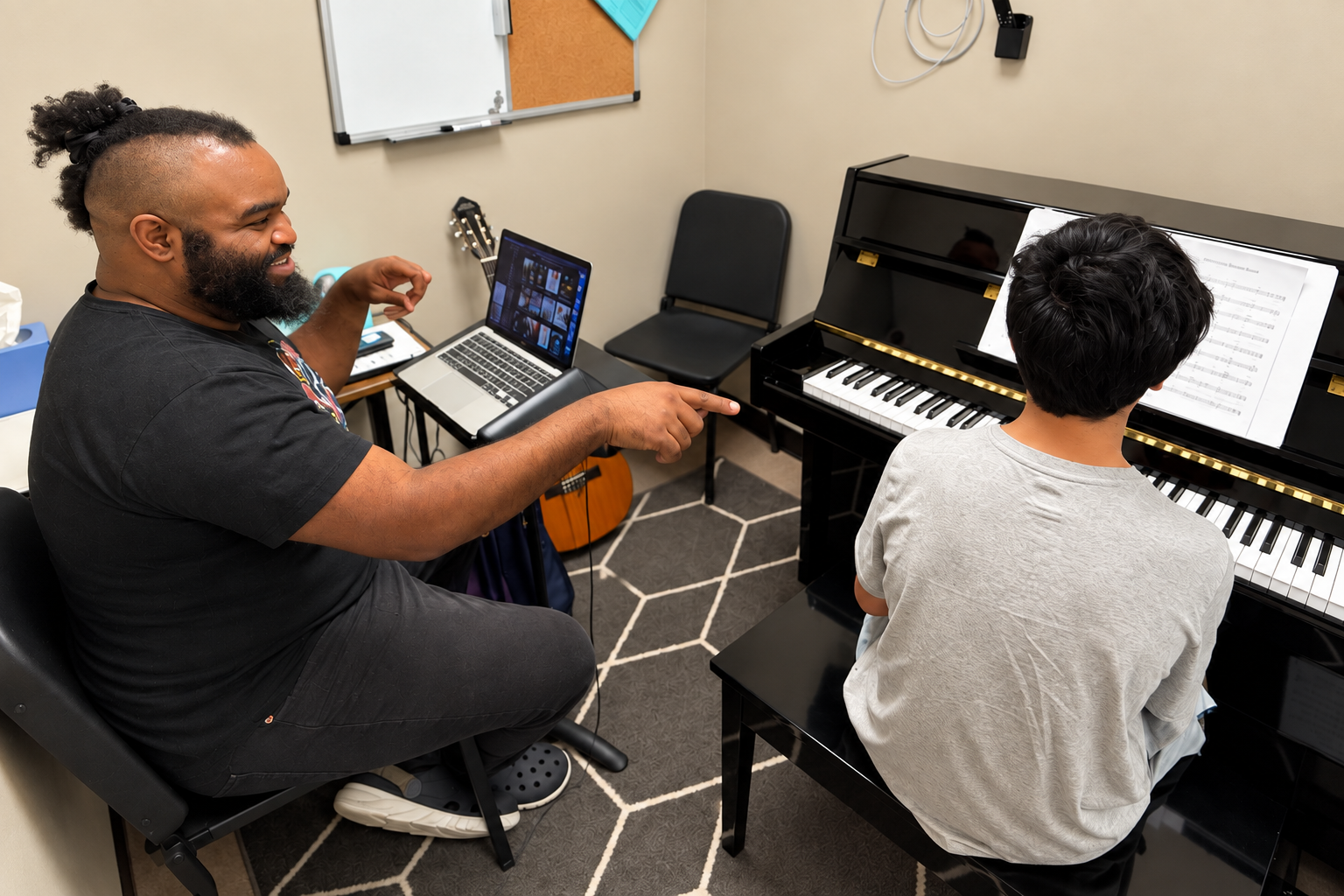
Every student learns differently. Some need more time with a skill. Some move quickly. Some know exactly what they want to play. Others are still discovering what they enjoy. Private lessons give the teacher space to understand your child, adapt the pace, and build a learning experience around who they are.
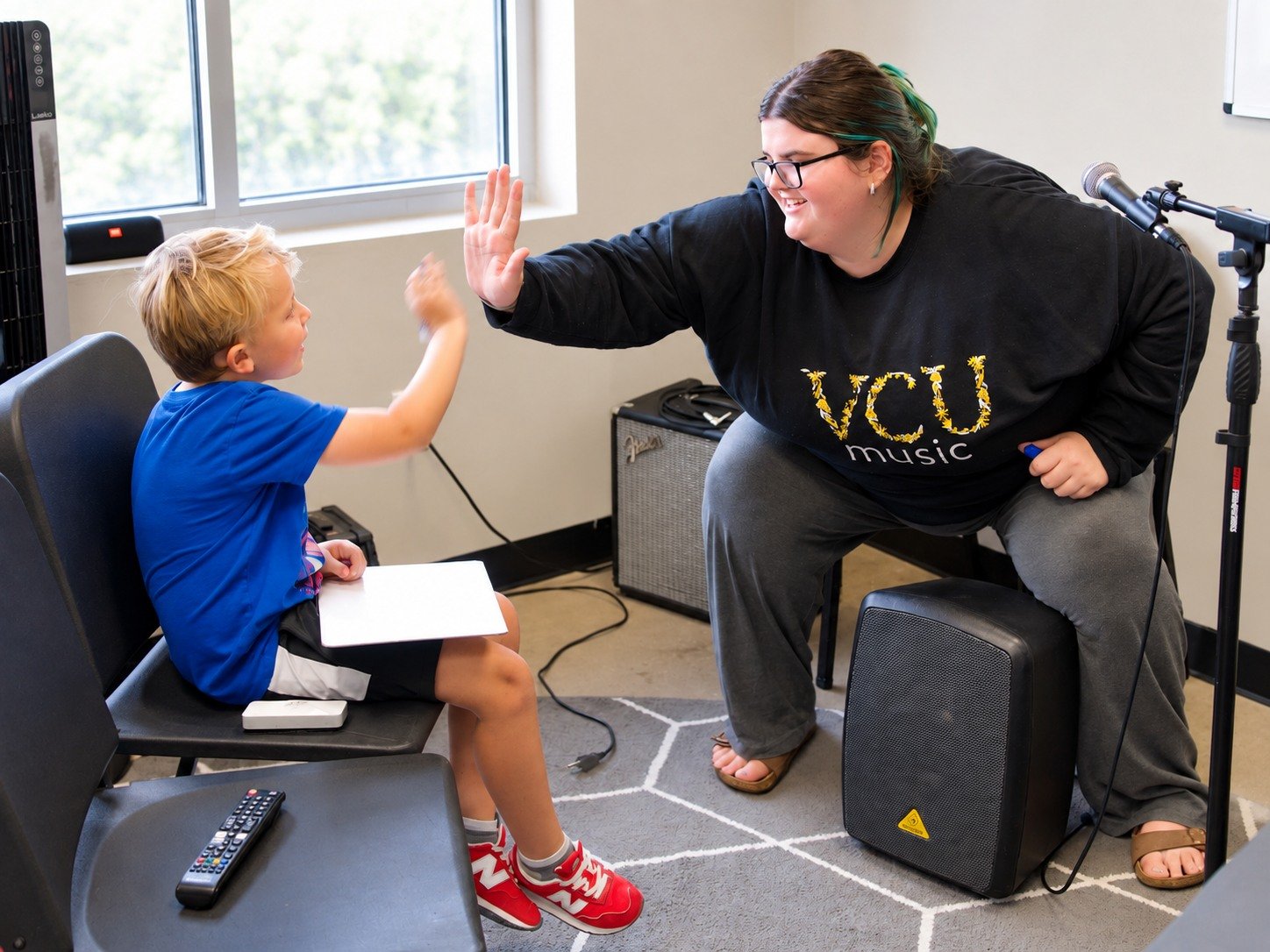
Lessons are shaped around the student, but may include:
Students get clear instruction and individual coaching while still being encouraged to think, explore, and make musical choices.
A great lesson is not only about correcting notes. It is also about understanding the person sitting in front of you. Our teachers work to know:
That relationship helps us challenge students without making learning feel like constant pressure.
At Thrive, confidence does not replace skill. Skill helps build confidence. Students receive clear instruction and feedback so they can keep improving on their instrument. But the goal is not simply to create students who can follow directions. We want them to understand what they are doing, make thoughtful choices, solve problems, and become increasingly independent musicians.
Learning an instrument does not have to mean spending every lesson copying what the teacher plays. As students grow, they may have opportunities to:
Technique gives students more tools. Creativity gives them a reason to use those tools.
That is normal. Learning an instrument takes time. Our goal is to help students gradually take more ownership of their learning rather than turning practice into a constant battle. Teachers can help students:
We want students to learn how to keep growing even when something is hard.
Sometimes the problem is not music. It is the experience. A student may need:
We’ll start by getting to know your child and understanding what has — and has not — worked before. Then we can build from there.
Both are valuable.
And sometimes the best answer is both. A student may take private lessons to develop individual skills and also join a group or band to use those skills with other musicians.
One-on-one learning does not have to stay one-on-one forever. As students grow, they may choose to:
We want students to see their instrument as a way to connect, create, and contribute — not just something they practice alone.
Of course, progress can mean: Playing a harder song. Learning new chords. Improving technique. Developing a stronger voice. Keeping better time. But it can also mean: Trying something without being asked. Recovering after a mistake. Speaking up about what they want to learn. Working through frustration. Practicing more independently. Sharing an original idea. Feeling proud enough to play for someone else. We pay attention to both.
The relationship between a student and teacher matters. A trial lesson gives your child a chance to meet the teacher, play some music, ask questions, and experience what learning at Thrive feels like. We’ll also help you decide whether private lessons are the best fit — or whether another Thrive program might serve your child better.
No pressure to have everything figured out. We’ll help you find the next step.